Zines are amazing small handmade booklets. They can hold just about anything, but they have often been used to spread ideas about political and social movements. Some other common topics include poetry, quotes, comics, glossaries, and favorites. The possibilities are really endless.
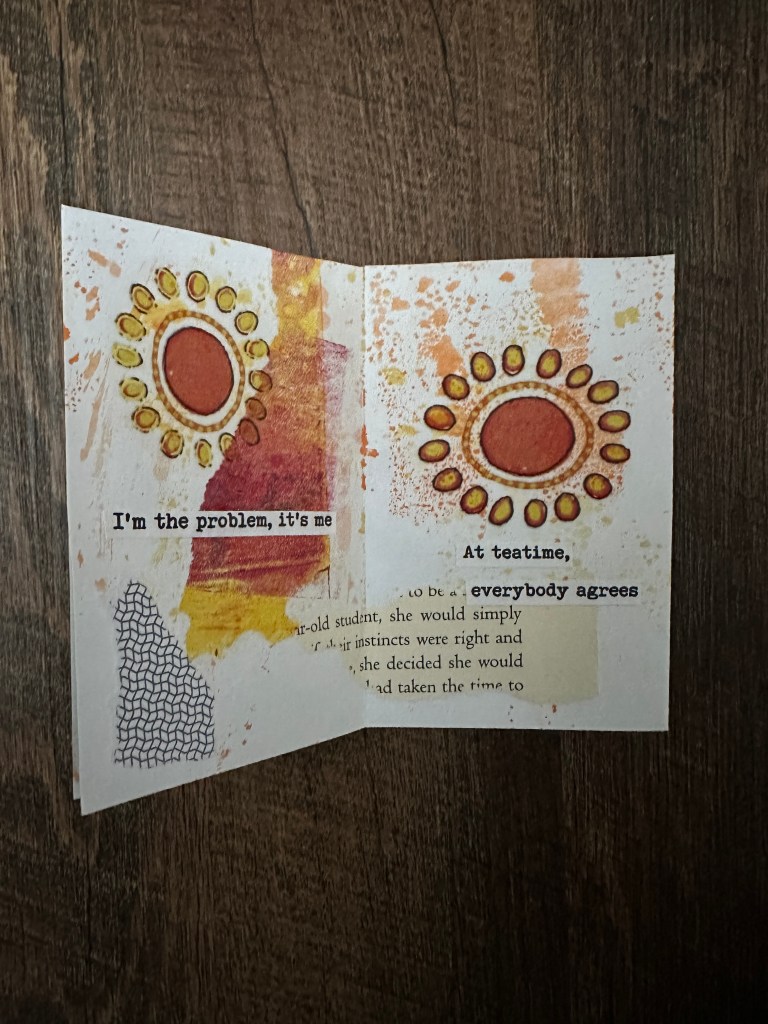
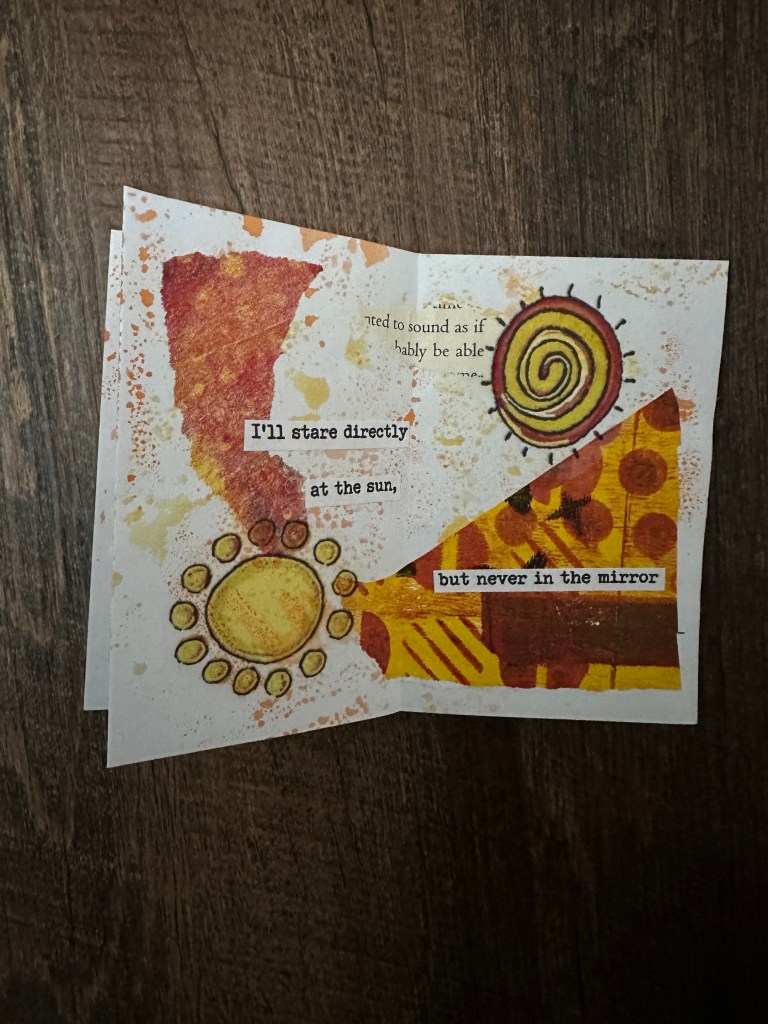
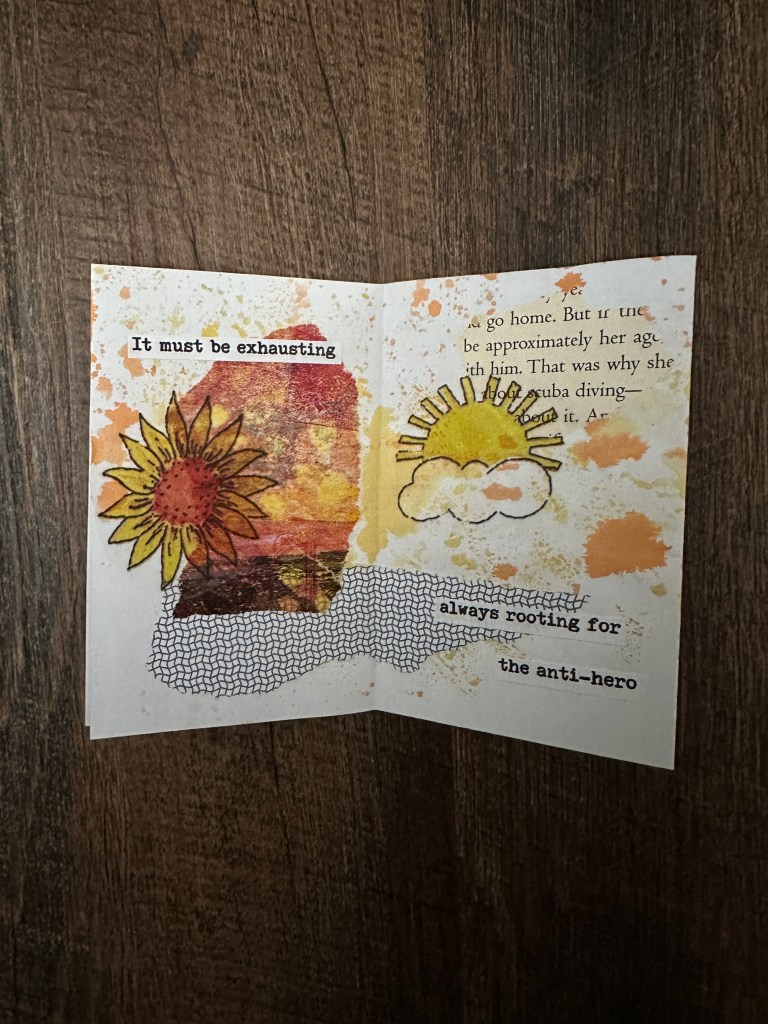
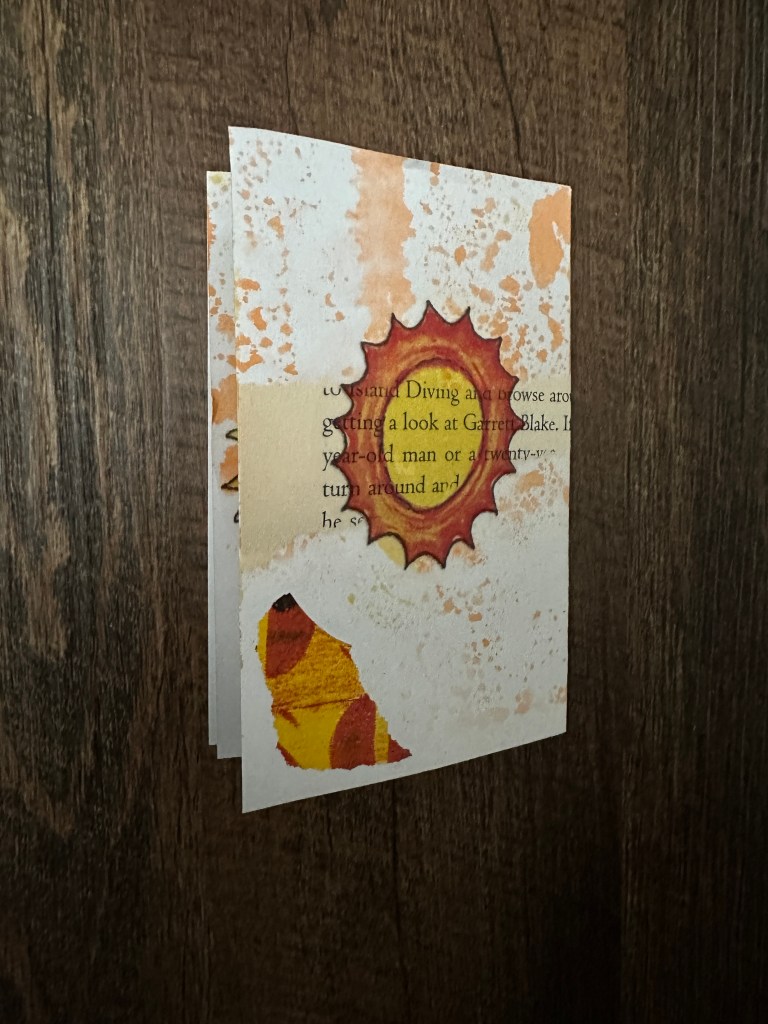
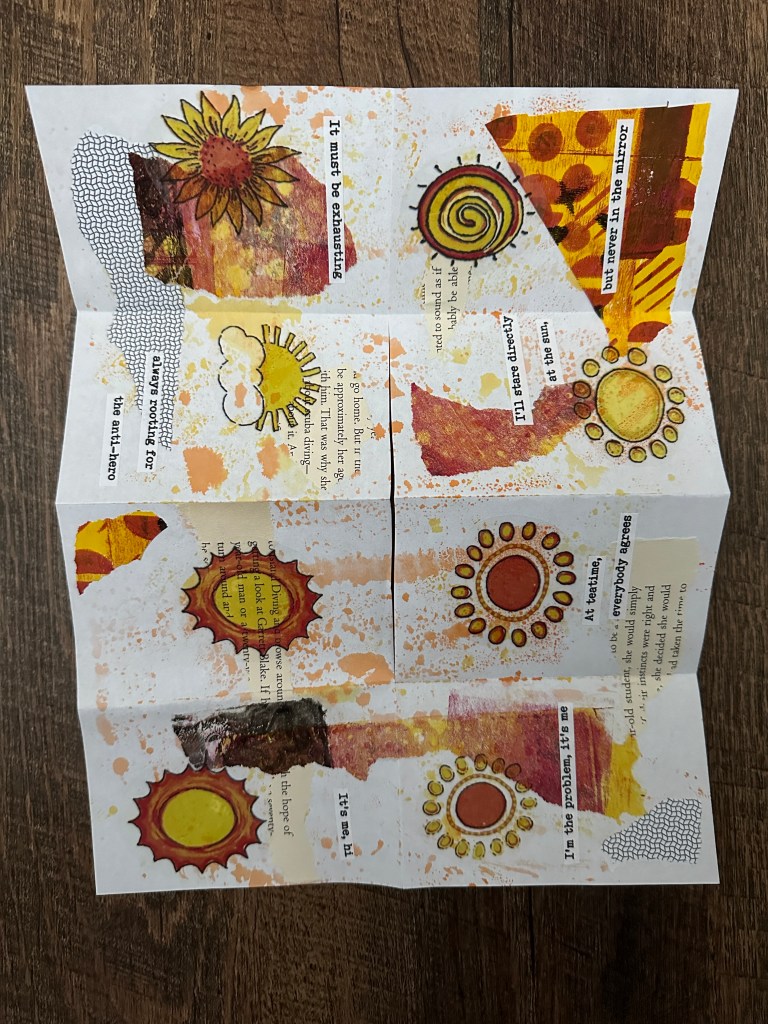
Here’s one I made recently using Taylor Swift lyrics:
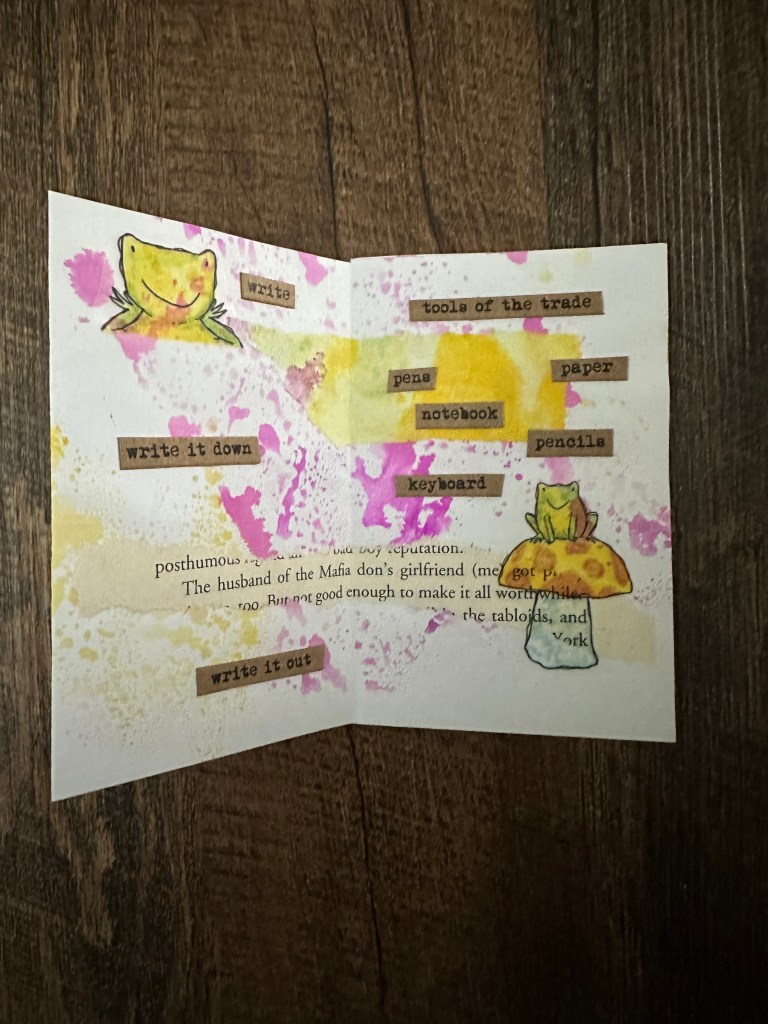
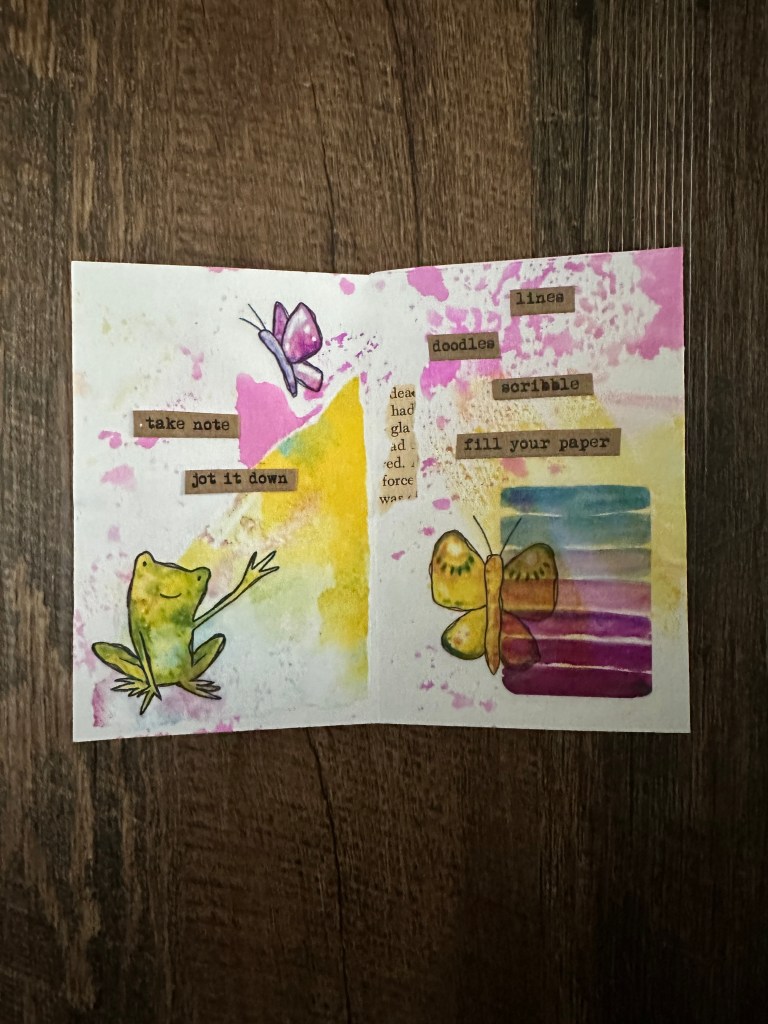
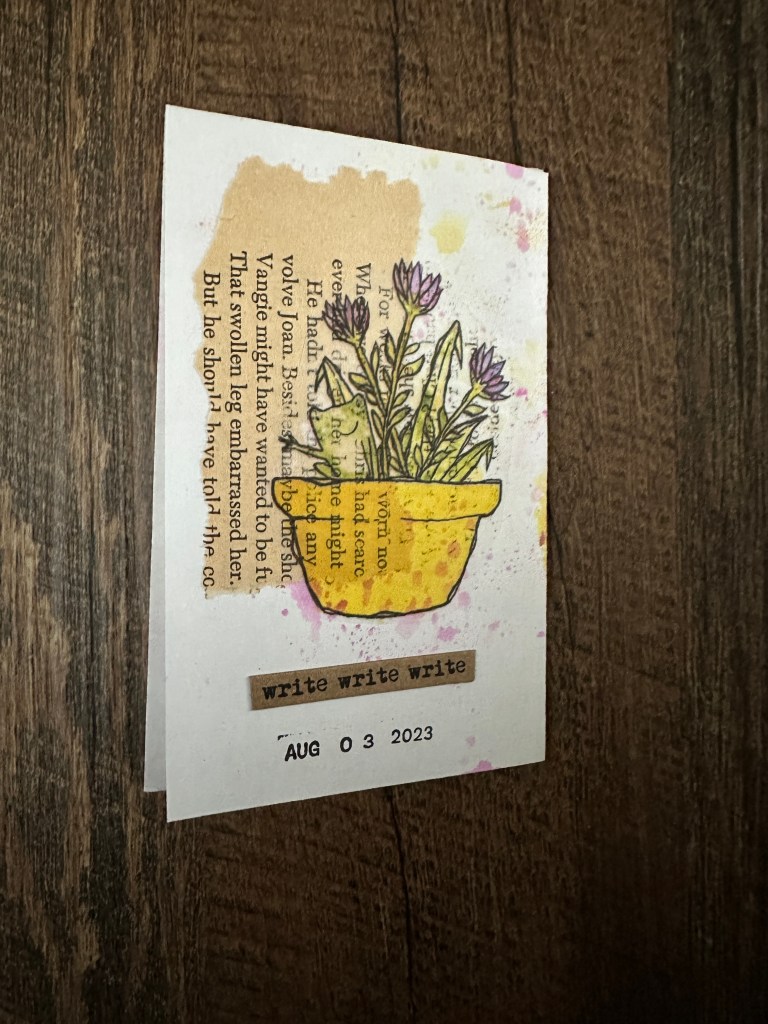
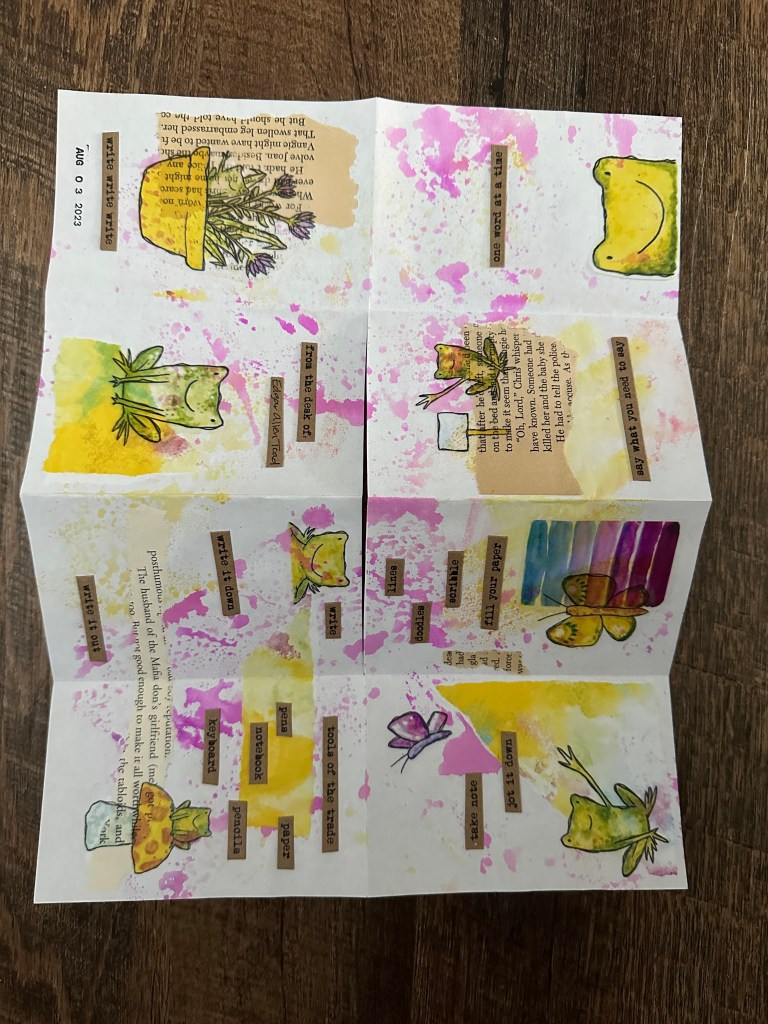
Here’s another one I made about writing, by my friend Edgar Allan Toad:
I’ve got plans to do one about my favorite books that I can then copy and give out. (Maybe as a gift or something to stick in a library book.)
There are lots of tutorials online about how to make this kind of zine from one sheet of paper. One of my favorites is this video from Austin Kleon. Another good one is this visual tutorial from BookRiot. Here are some other resources if you want to delve more into the land of zines:
I just finished listening to Keep the Memories, Lose the Stuff, by Matt Paxton. I had not heard of Paxton before, but I tend to read a lot of decluttering/minimalism books. This one approached things a little differently, acknowledging the emotions attached to stuff.
Paxton is an expert in helping people downsize and declutter their stuff. One of his key ideas is a legacy list, which he defines as 5-6 must-have keepsakes. This concept helps people to select only those inherited items that mean the most to them. I love the idea of curating items from my grandparents and parents that have meaning, and I will definitely be working on my legacy list.
But Paxton emphasizes that the stories behind the physical items are even more important than the items themselves. Which brings us to notebooks, of course. I feel called to write down my stories.
“If you would not be forgotten as soon as you are dead, either write something worth reading or do things worth writing.” – Benjamin Franklin
As a young teenager, I was faced with the problem of what to get my grandparents for Christmas. I had a budget of near-zero, which required some creativity. Eventually, I landed on making a memory book. I created a list of questions I wanted to know about them, purchased some spiral notebooks, decorated the covers, taped a baggie with the questions cut into strips into the notebook, and wrapped them up. That was about 25 years ago. My dad’s parents both eventually completed their books and gave them back to me as gifts. They have both since passed away, and those books are treasures, not just to me but to the whole family. It is the only place I know of where any of their stories are written down.
I have written a daily journal off and on for most of my life. I compile photo albums religiously. But I don’t always take the time to write down the stories. I am going to make an effort to write down my stories, starting with this list I created for my grandparents:
List the important dates in your life.
What fun things did your family do together?
Write down make-believe games you played when you were young.
Describe your best friend in grade school.
Describe your grade school years.
Who was your favorite teacher and why?
What special activities were you involved in in school?
What was the best part of high school?
Tell about the fashions when you were growing up.
Describe the first time you drove, your first car, and when you got your license.
When you were a little girl, what did you want to be when you grew up?
What was your first job? How did you get it, and what did it pay?
Describe your wedding day in detail.
Write about your first child – the pregnancy, the preparation, and the arrival.
Describe each of your children’s personalities and funny quirks.
List and describe hobbies you’ve had throughout your life.
List some special awards and recognition that you’ve received.
What is your favorite food and what exotic foods have you tried?
List the top ten influential people in your life.
Describe everything you remember about your mom.
Describe everything you remember about your dad.
Describe everything you can remember about your grandmas.
Describe everything you can remember about your grandpas.
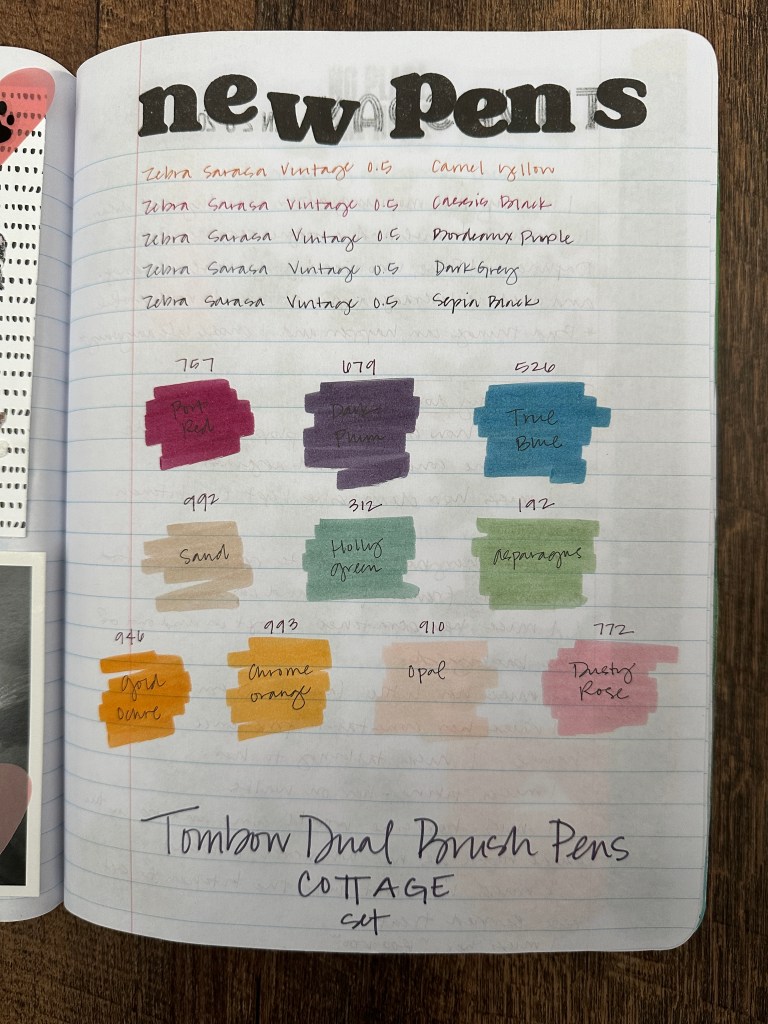
A creative notebook is a place where there are no rules, where you can just put anything and everything that comes up in life. But that “no rules” thing can be hard to adjust to. So let’s ease in today with some SWATCHING.
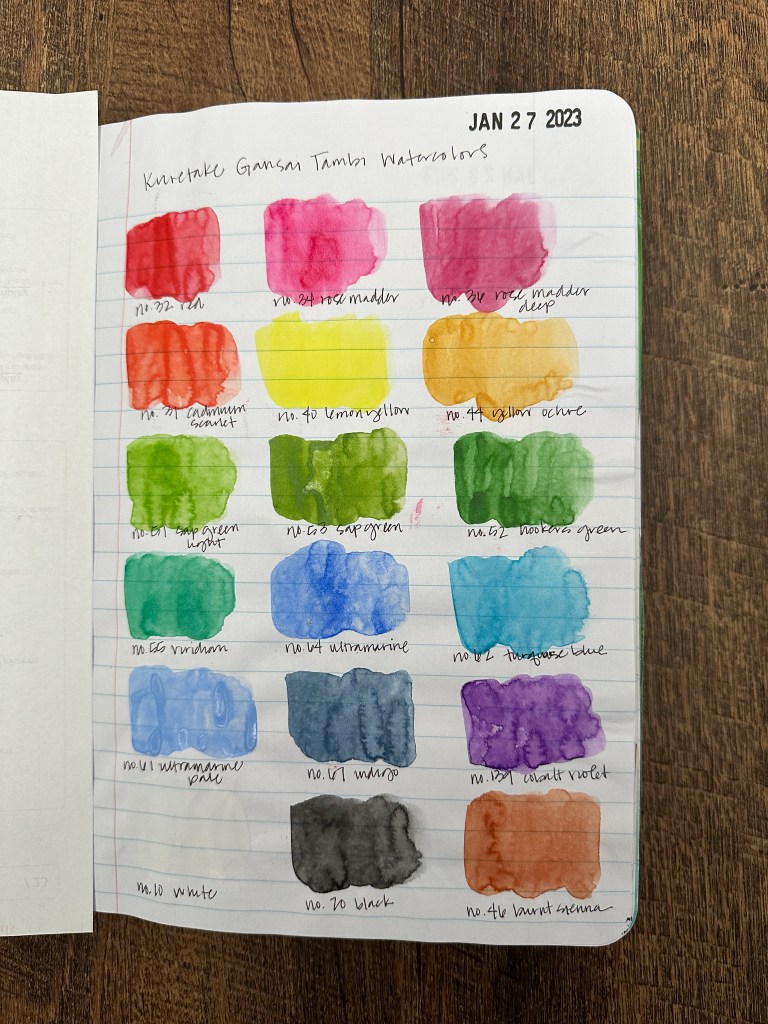
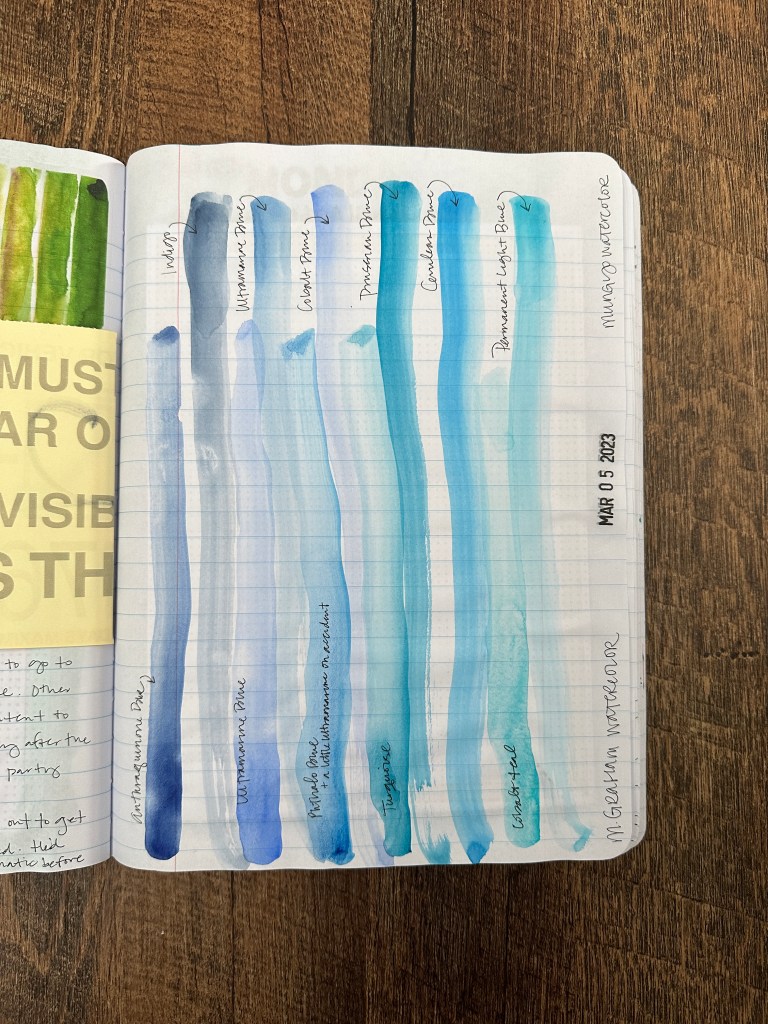
swatching verb To test out art and writing supplies to see how they do in your notebook.
Supply List
Your notebook
A category of writing or arting supply (e.g., pens, markers, watercolors, highlighters, washi tape, ink pads, paint sticks, acrylic paints, etc.)
Steps
Find a page in your notebook. If you’re in a new notebook, skip that very first scary blank page and head right to the second page. If you’re already in a notebook, just head to the first available page.
Gather your writing/arting supplies. Now that you have the page all picked out, collect the category of supplies you have chosen.
Swatch. Yep. It’s just that simple. Start making marks in your notebook with the selected supplies. It does not matter how you do it. You can make a list; you can make circles or swirls or cats. You can go in rainbow order or random order or the order dictated by the next person you see. Anything goes. Just put the supplies on the page and make the marks.
Here are a number of examples from my notebooks.
I pull out this exercise often: when I’m stuck, when I start a new notebook, when I get a new supply, or, shockingly, when I actually need swatches of something. This is a good one to keep in your arsenal.
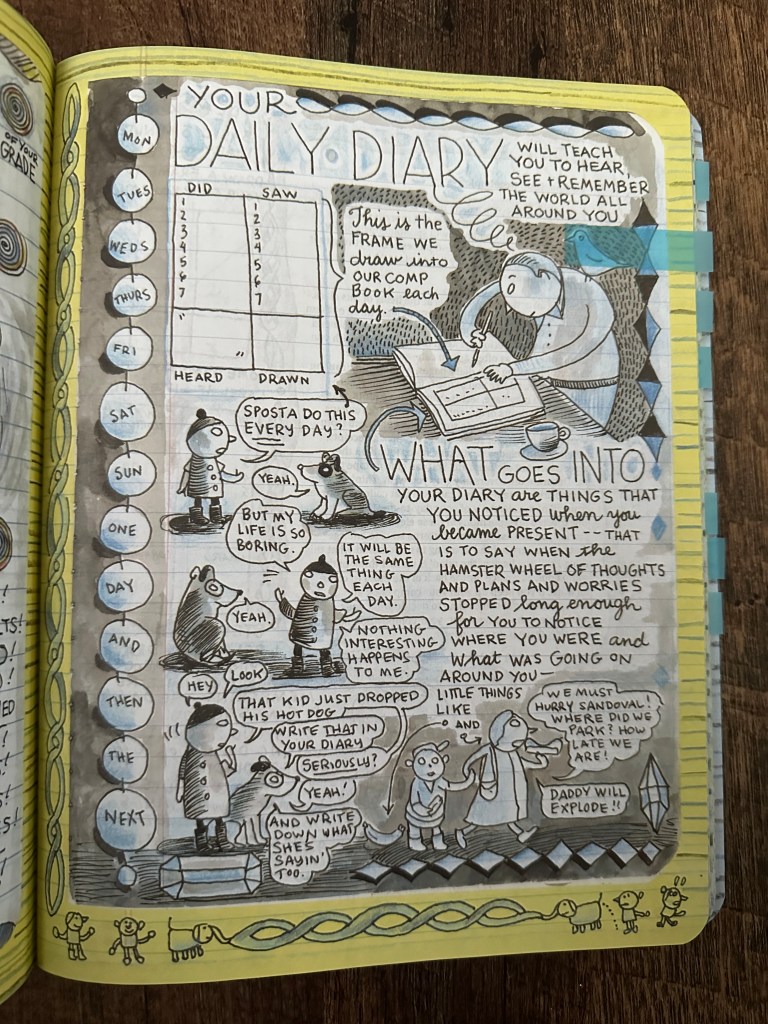
In her creative notebook classes, Lynda Barry requires her students to keep what she calls a “daily diary.”
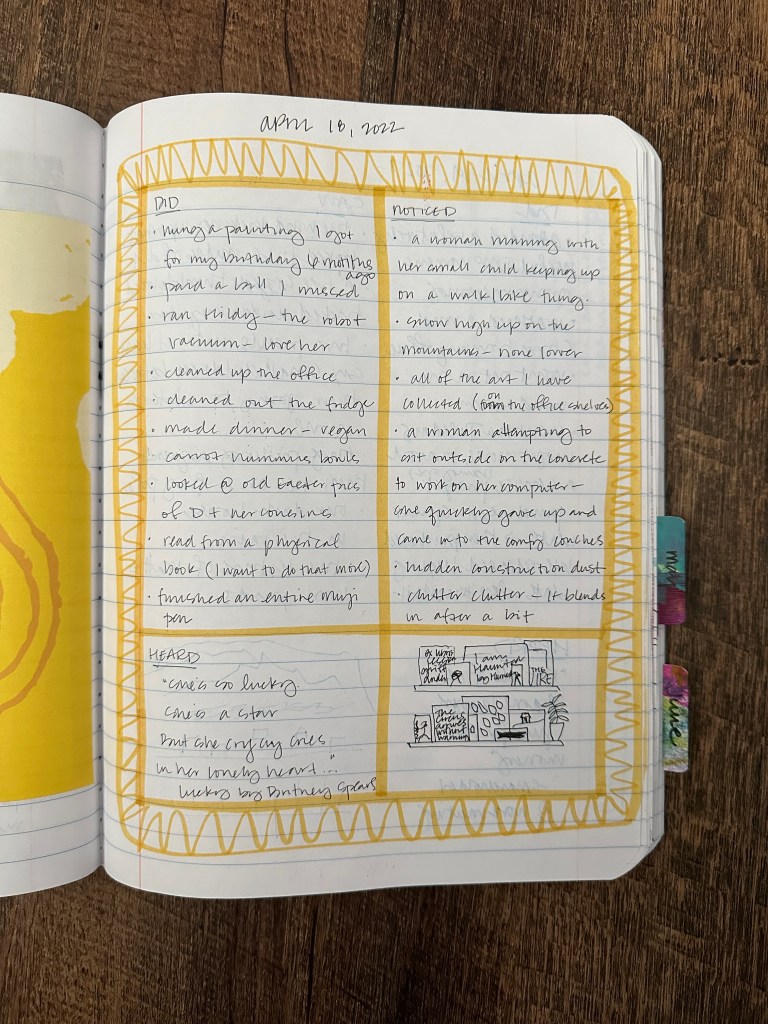
The exercise involves dividing a page into four quadrants and filling them out as follows:
The top left is for a list of things you did that day.
The top right is for a list of things you saw that day.
The bottom left is for something you heard that day.
The bottom right is for a quick doodle of something you saw that day.
As Barry says in her lovely book Syllabus, “What goes into your diary are things that you noticed when you became present — that is to say when the hamster wheel of thoughts and plans and worries stopped long enough for your to notice where you were and what was going on around you.”
When I do this exercise consistently, I’m surprised at how it hones my powers of noticing. Even now, when I go back through the entries even months later, I can “see” most of the things I wrote down.
I am recommitting to this practice, the practice of noticing and paying attention and then writing it down, today.
Today we’re talking about juxtaposition, and how to use it as a writing tool. Let’s start with a definition.
juxtapose verb To place side by side for the purpose of comparing or contrasting.
I am fascinated by how the juxtaposition of objects, creatures, or ideas changes our perception of them. Consider, for example, how things change when we see one abandoned can versus a collection of them.
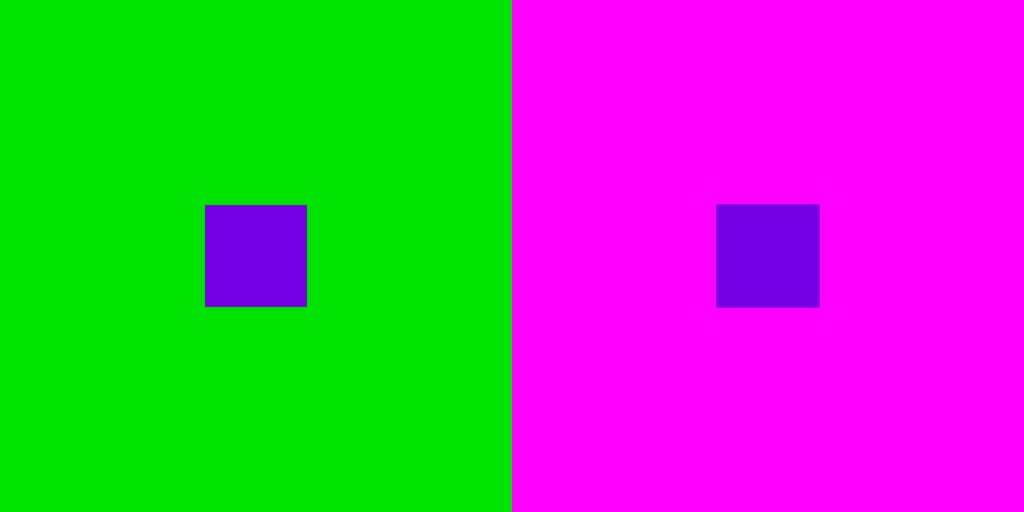
Or what happens when the color purple is surrounded by green versus purple surrounded by pink.
Objects together are different than on their own. It’s the magic of juxtaposition.
Juxtaposition + Writing
How can the concept of juxtaposition help with your writing?
You’ve probably seen and done writing exercises that are one word prompts (car, party, etc.). These are simple and effective. But, given the magic of juxtaposition and the fact that our brains are wired to make connections, let’s try an exercise with two items. Ready? Let’s play.
SUPPLY LIST
Your notebook. I usually use three pages for this, the first two divided into four sections each and the third one blank.
A writing instrument.
Two items to compare. Literally anything goes here. Really. You can use anything you can think of. Abstract ideas, animals, activities, physical or digital things, etc. You do not need to have physical items.
Your two items can be in the same general realm, like baseball and gymnastics or peaches and apples.
Or distinct, like a mug and Barbie or a chair and an elm tree.
They can be totally different, like a rock and the Theory of Relativity or Game of Thrones and an app.
They can be two types of the same thing, like two different books or two bands.
They can be debated topics, like ebooks versus physical books or pizza with pineapple versus pizza without pineapple.
Any two items will work.
For this example, we’re going to use rabbit and water bottle. You’ve got your notebook handy, no? Then let’s move on to the steps of the exercise itself.
THE STEPS
1. Write 5-10 things about each individual item. It’s a good idea to spend some time with each of the items individually before considering them together. Make a quick list of the general attributes of each item and anything it makes you think of. Note that you could pick a specific rabbit and water bottle, you could consider the categories of rabbits and water bottles as a whole, or you could do both.
2. Juxtapose the items, and respond to six questions. Now let’s consider the items together. Mentally (or physically if you want) place the two items side by side.
From here, let’s answer a few questions in pairs, shooting for 3-5 responses to each one. First, these two:
How are the two items different?
How are the two items alike?
This can feel a little silly, but push yourself to find 3-5 differences and 3-5 similarities. Compare color, shape, material, biology, texture, function, etc.
Next, these two questions:
How are the two items in conversation with each other?
Do the two items together change your perception of either individual?
While these two questions are similar, they can result in very different responses. For the first question, I focus on the words. I put the two items in conversation with each other by considering the words together: “rabbit water bottle.” What does that make me think of? Then I switch the order: “water bottle rabbit.” How does that change things? I write down anything that comes to mind, trying not to edit my thoughts.
For the second question, I focus on the visuals, seeing if, like the color example above, my perception changes when the two items are physically next to each other. I visualize the rabbit next to the water bottle. Write down my impressions. Then I consider the water bottle next to the rabbit.
And, finally, these two questions.
If you had to pick one item to “win,” which would it be and why?
If you had to pick the other item to “win,” what would be the basis?
This is an excellent mental exercise, forcing you to choose criteria with which to judge one item against another, and then forcing you to argue the other way. Any criteria goes. One is bigger, smaller, or cuter. One is more complex, simple, or elegant. One is more alive, important, or fun. Or, you just plain like it better. Whichever item you select to win, the important thing is the reasoning behind it.
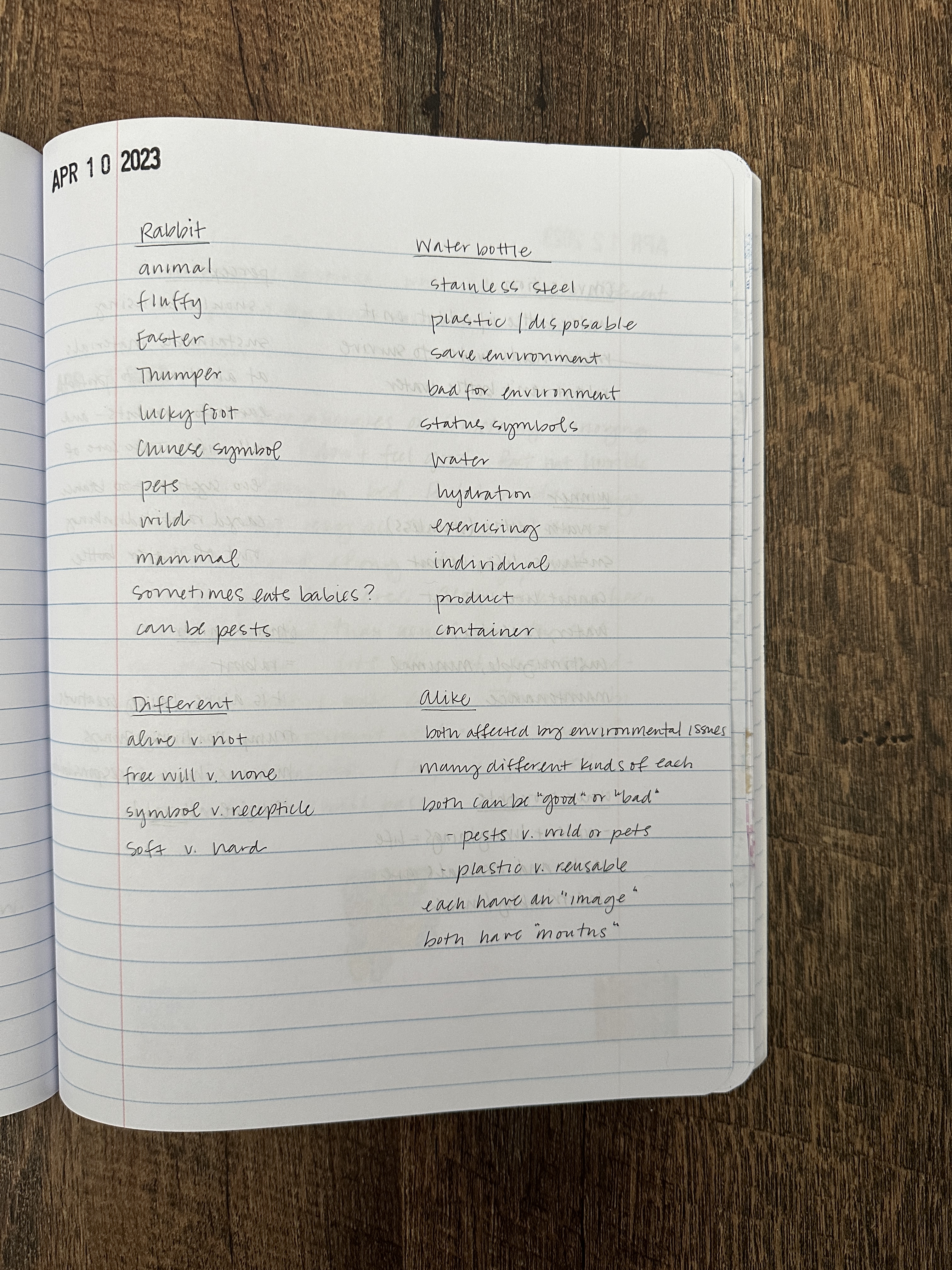
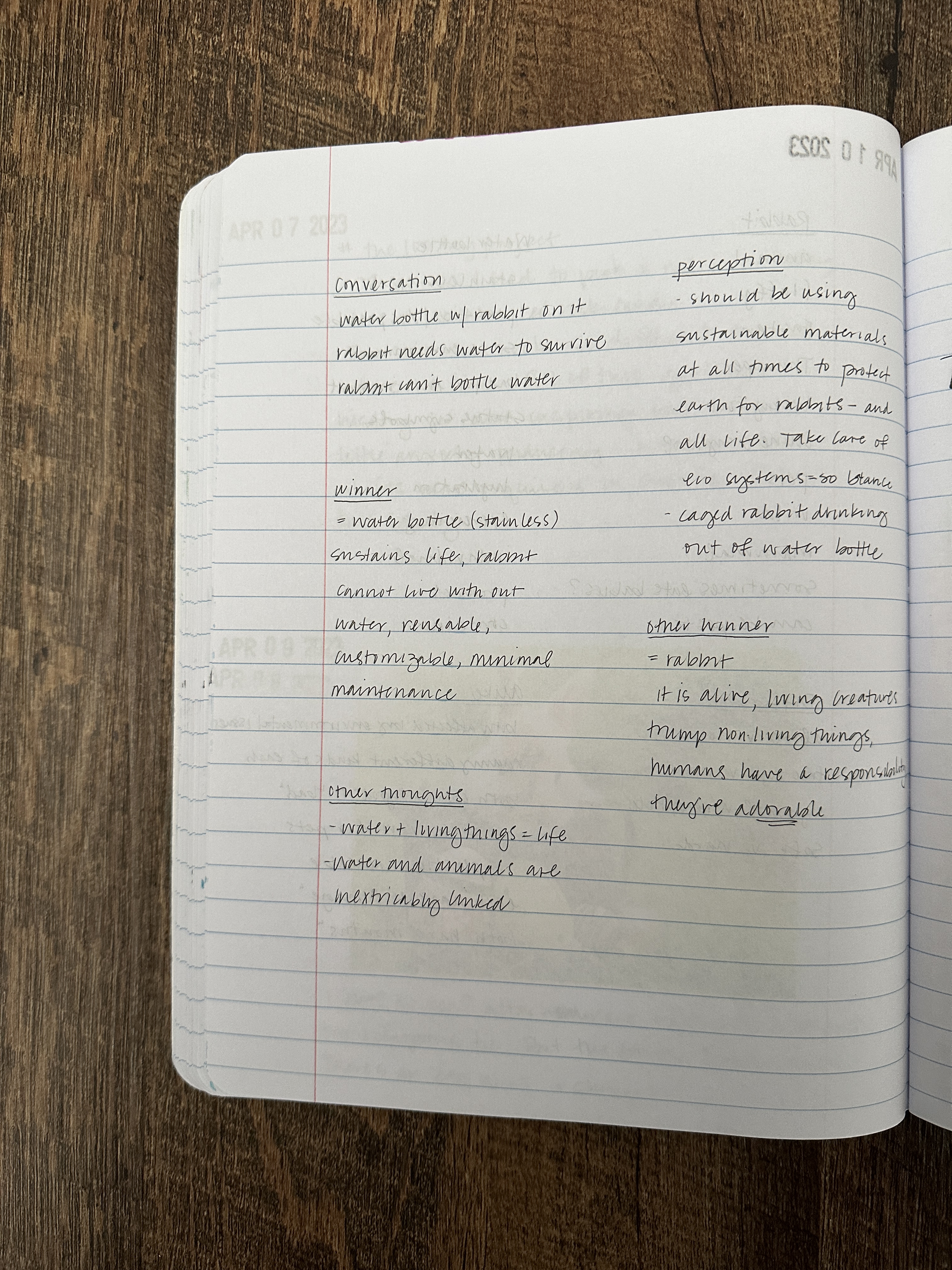
Here is a look at my responses to Steps 1 and 2:
3. Pick something to write a page about. Look over the things you have written and circle 1-3 ideas that sparked during the first two steps. Then write about one or more of those sparks.
I find that this juxtaposition exercise stretches the mental muscles in a satisfying way, bringing in description and persuasion and critical thinking and often resulting in interesting insights.
If you try out this exercise, please share your experience in the comments. Thanks for playing today.







 Textual Play