Today, I reached the end of my current creative notebook and began my newest creative notebook. The notebook is dead; long live the notebook.
Reaching the end of a notebook is always a little bit exciting and a little bit sad, as firsts and lasts tend to be.
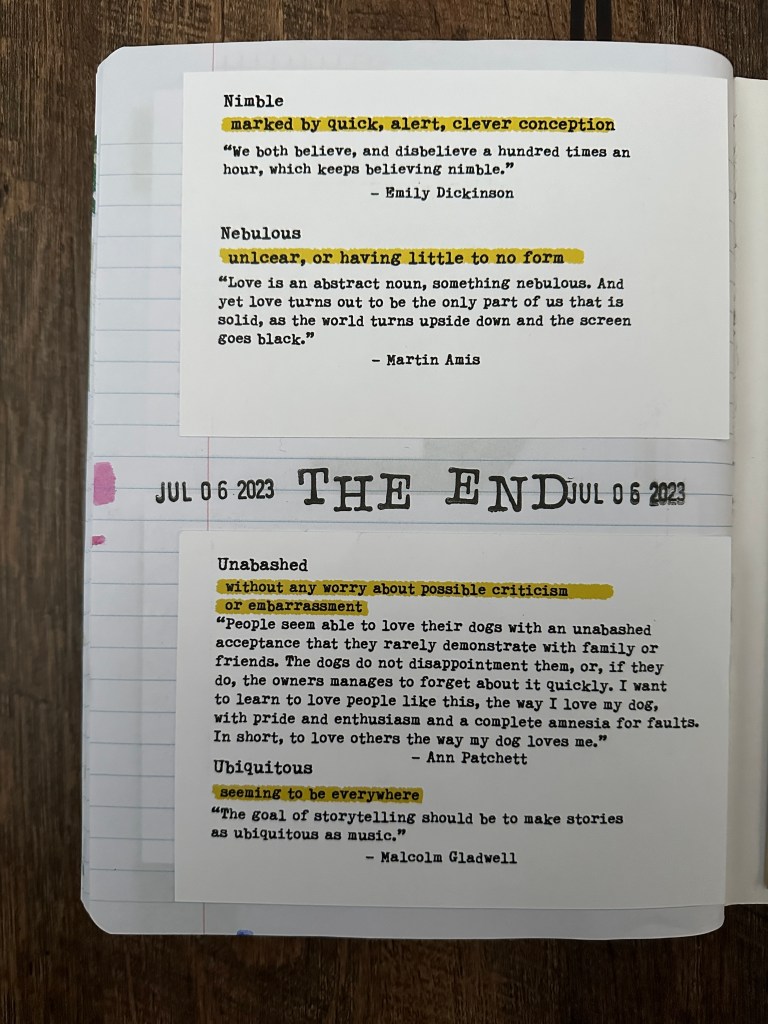
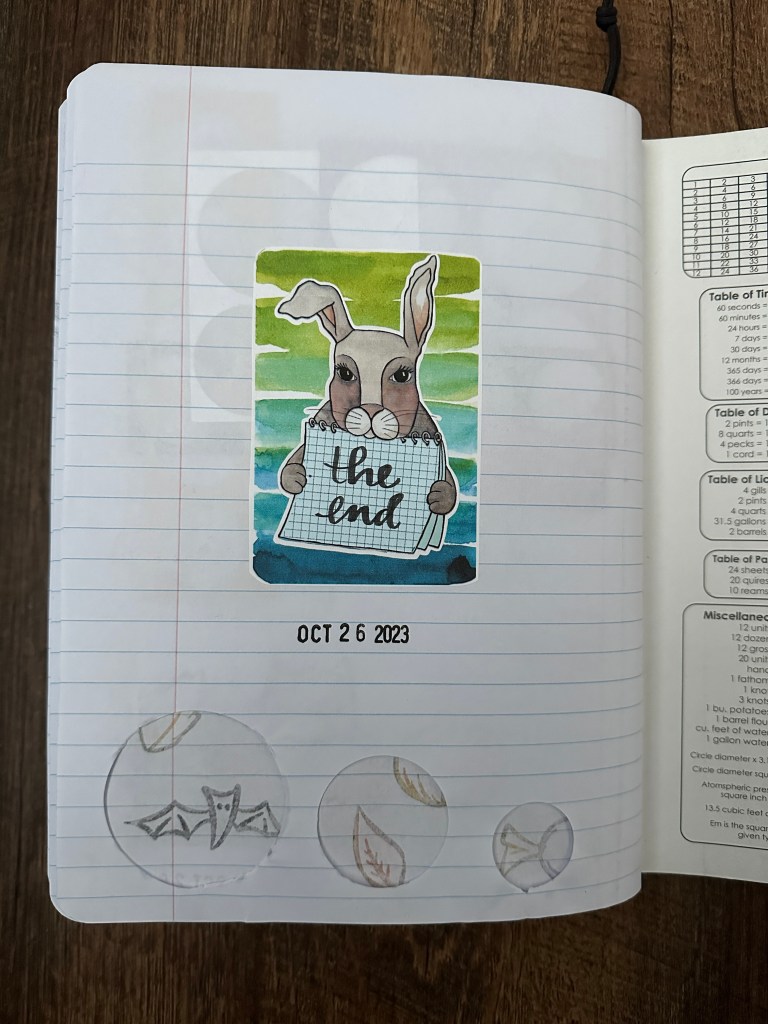
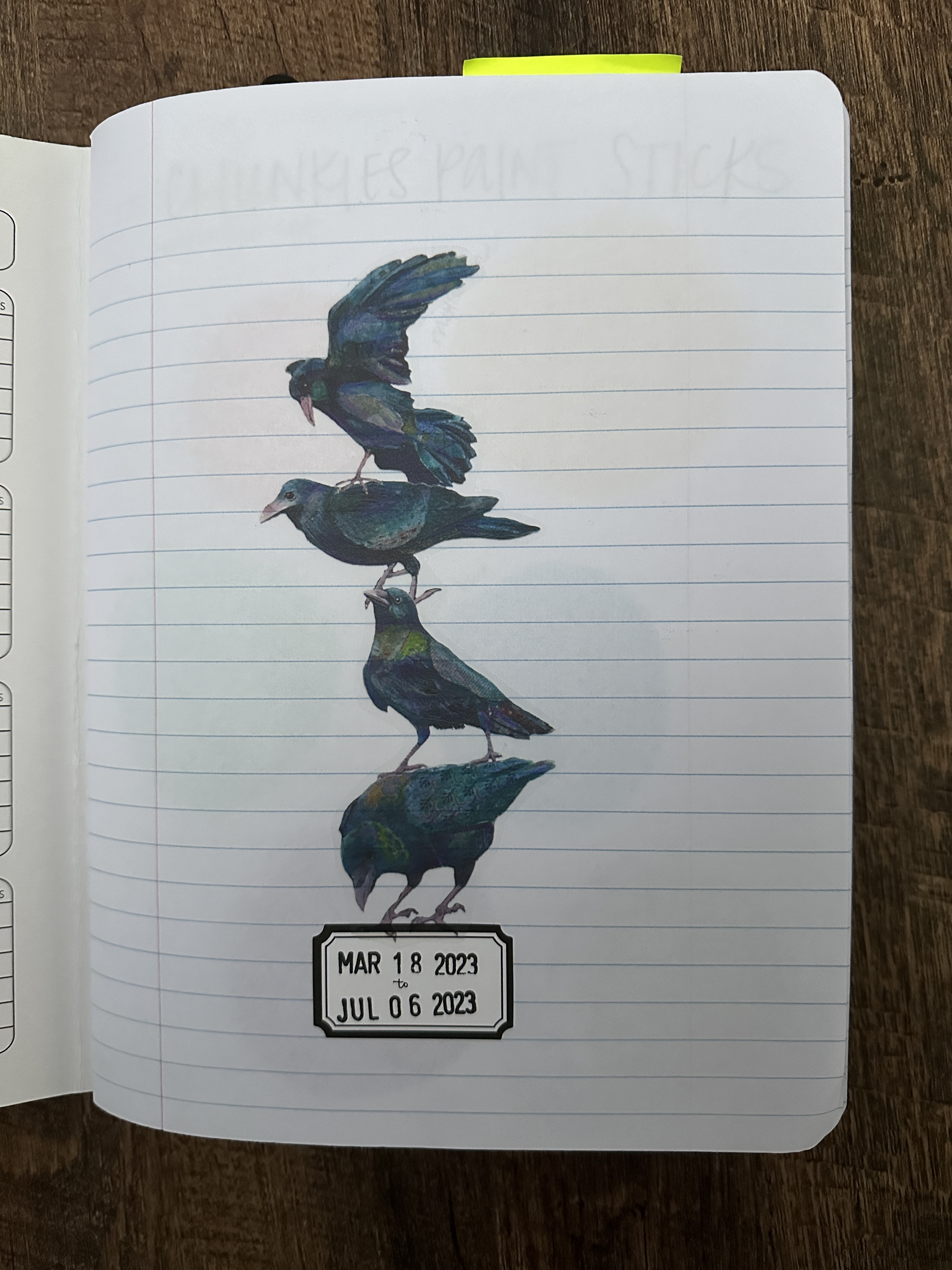
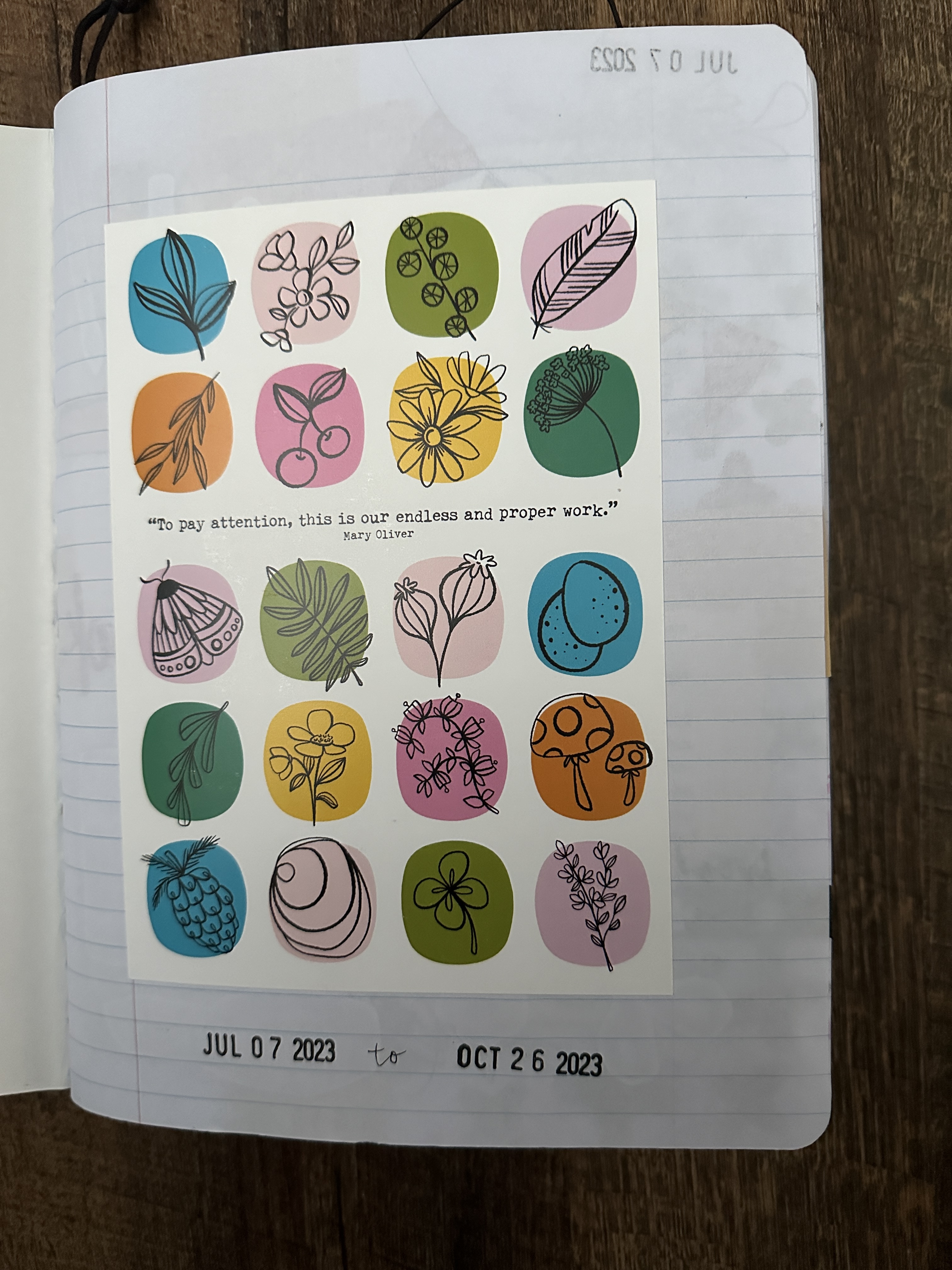
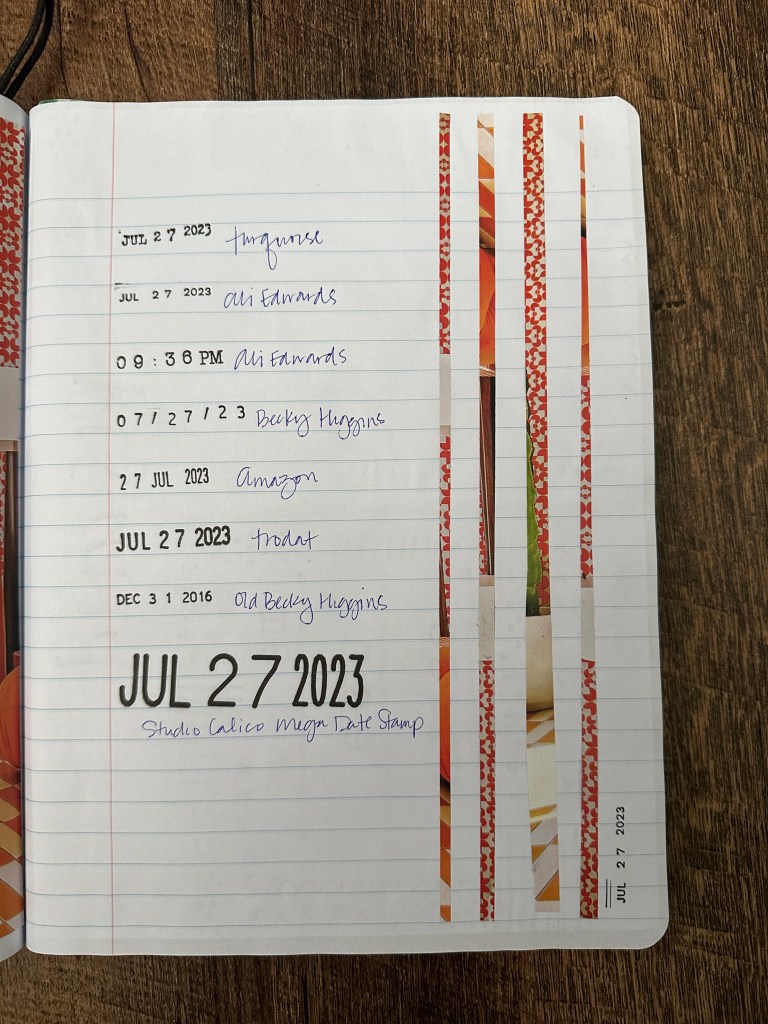
Here is a look at a few of my “last” pages, including the one from today:
Historically, I have had a hard time writing on the first page of a new notebook. But in my creative notebooks, I look forward to the first page. It represents a fresh start, but it is also a continuation of what has come before.
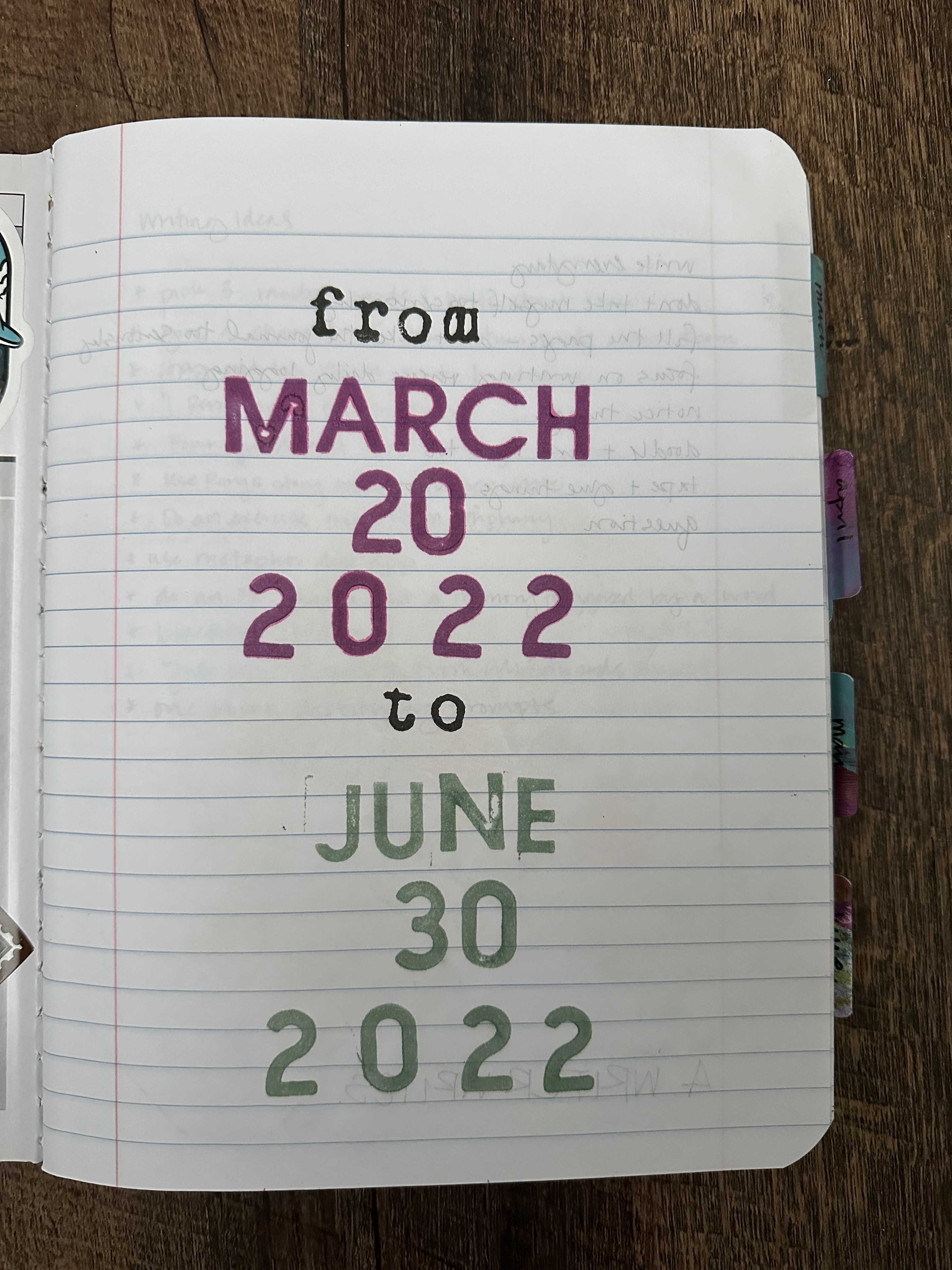
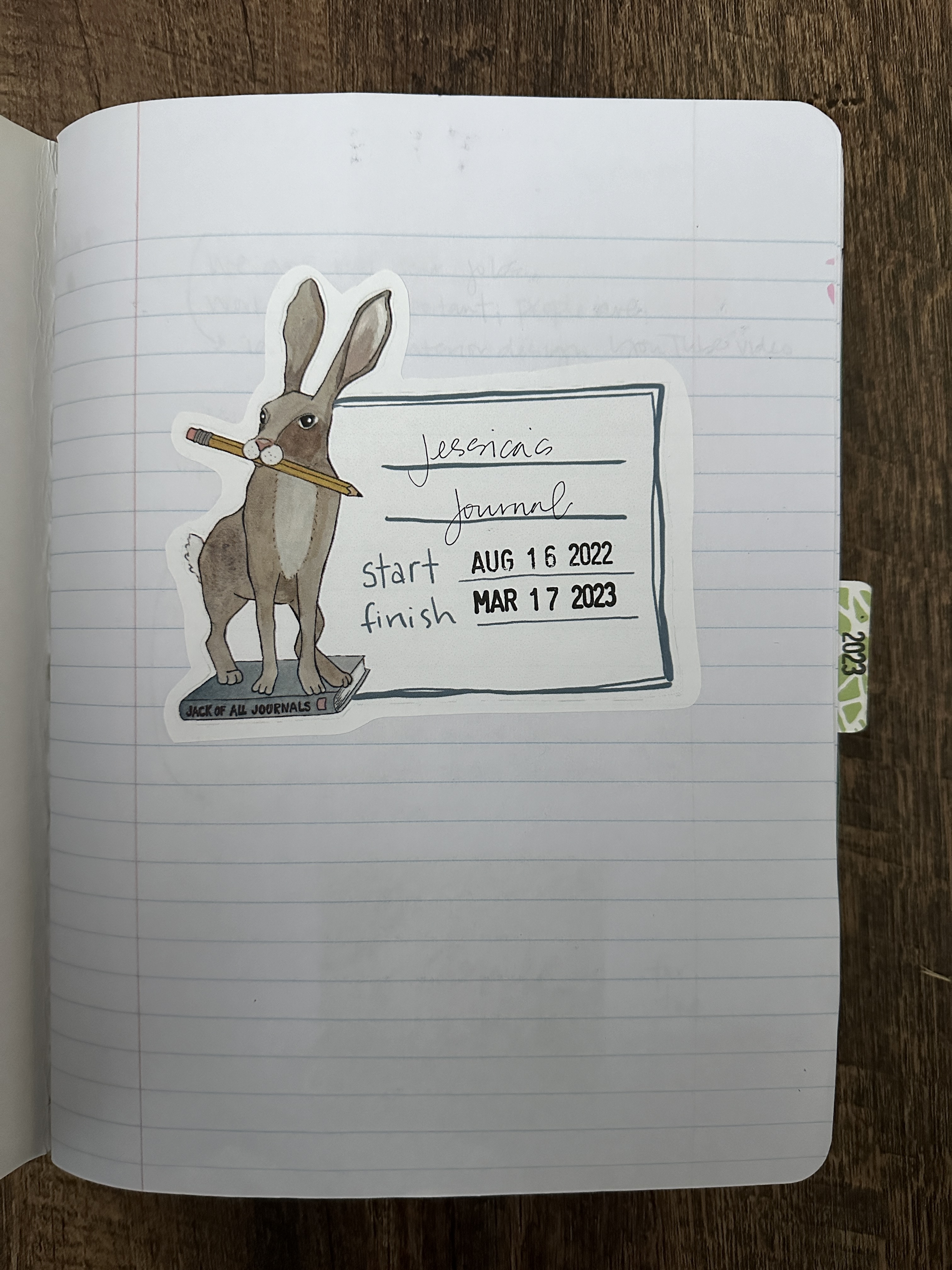
As you can see, I use the first page to mark the beginning and, eventually, the ending of the notebook.
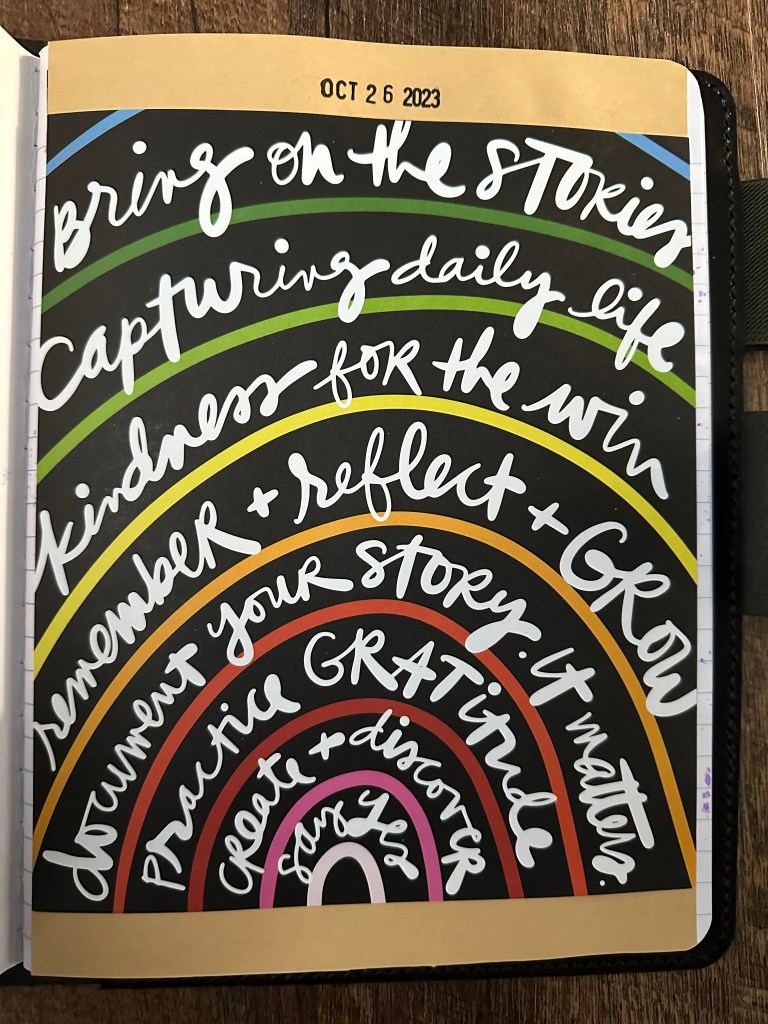
Here is the first page in my new notebook from today:
Full disclosure: I did not like my first iteration, so I covered it up with this beautiful paper from Ali Edwards.
“Once I decided to keep everything in one notebook I found a partner and participant in keeping the words and pictures and ephemera that are part of day to day life. That feeling I have about wanting to write something or draw something or make notes about something or glue something down— my composition notebook holds all of it. It’s a place. A time and space.”
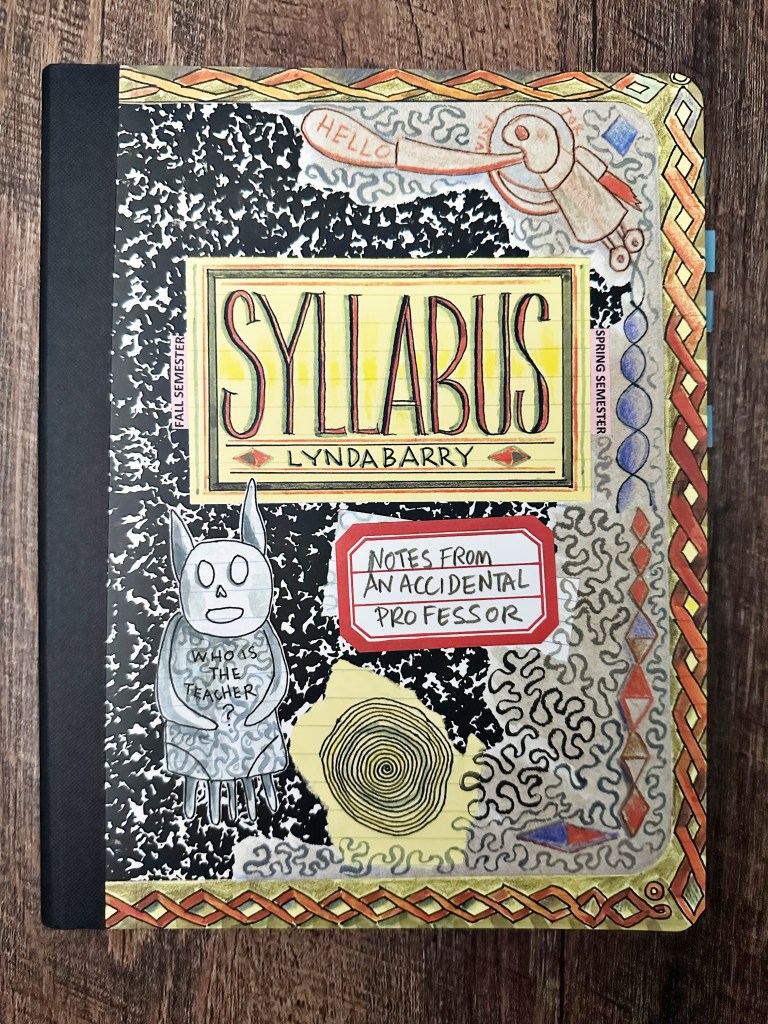
I have been keeping a creative notebook in a composition notebook for over a year. I was first inspired to do so after reading Lynda Barry’s book Syllabus. For most of that time, any handwritten notes went into my notebook. If I was taking an online seminar, the notes went in the book. If I got mail with pretty packaging, it went in the book. If I was upset about my day, my emotions went in the book. If I was planning a party, the lists went in the book. If I wanted to play with watercolor, swatch new markers, or create a collage, it went in the book.
The end result is undoubtedly greater than the sum of its parts. As it fills, the notebook becomes a unique collection, with the whole becoming so much more than any individual page.
Your creative notebook is a collection of all of your thoughts and writings and drawings and musings. Its power comes from the juxtaposition of all of those different things side by side, page by page. Plus, you not only get the experience of filling it up but also the experience of revisiting it and learning from yourself. (More on that soon.)
I break the one notebook “rule” sometimes. For a while, I tried keeping the creative notebook AND doing daily pages in a Hobonichi Techo Cousin. While I enjoyed doing the pages, it became too much after a while, and I returned to the creative notebook. I also use digital tools like DayOne, Apple Notes, and Bear for daily journaling, random notes, and writing drafts. But any physical notes, lists, outlines, collage, or play goes into the creative notebook. I return again and again to these notebooks.
Keeping one notebook may not work for everyone. Multiple, dedicated notebooks is just as valid and will work better for some and at different times. But keeping one creative notebook is something I recommend you try.
I try to date everything: cards I send or receive, art I make, kid art and school stuff. I’m never sorry to have the date on something and often sorry the date is missing, especially in my notebooks.
If you don’t have or want a date stamp, handwriting the date is super easy. But to me, there is something special and graphic about using a date stamp.
This is my current collection of date stamps.
Here is more info if you’re interested in any of these:
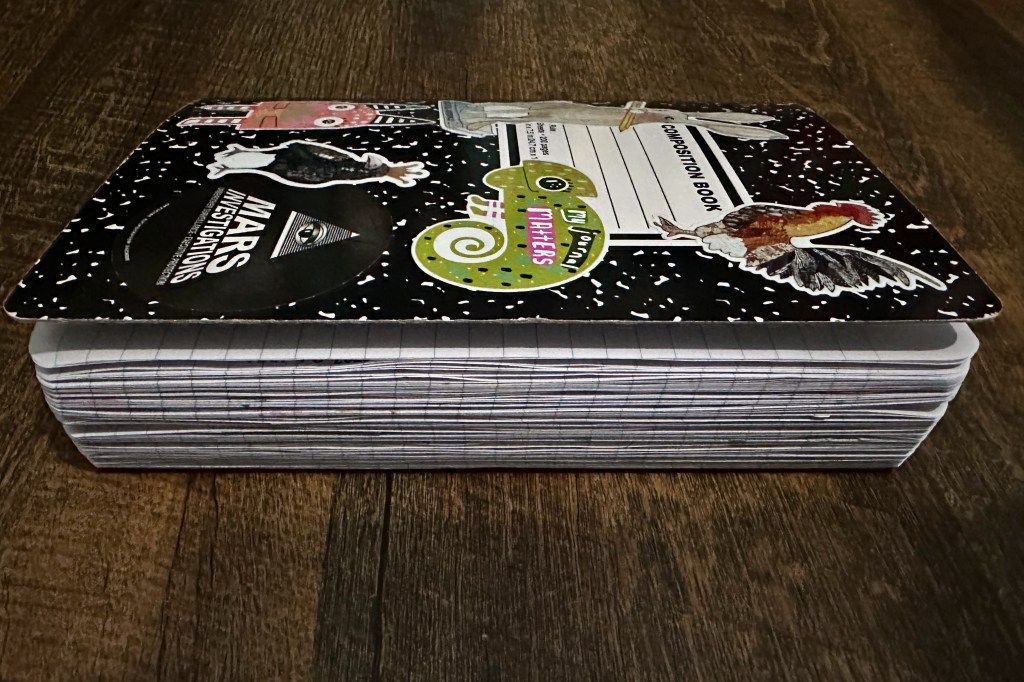
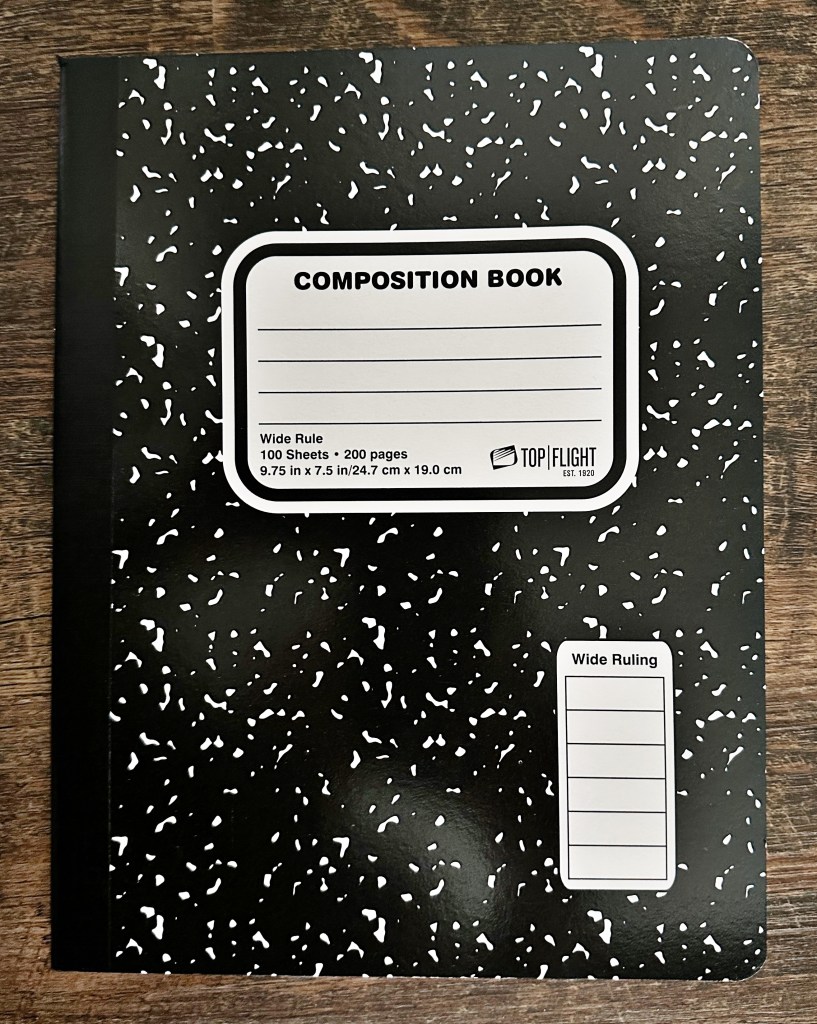
First and foremost, I use a composition notebook for my creative notebook, because Lynda Barry had her students do it in Syllabus. That’s why I started. But I kept it up because it worked for me.
Here are the reasons I love a composition notebook, specifically:
Perfect size. The page size is not too big and it’s not too small. The book itself usually has about 200 pages, which provides plenty of room without being enormous.
Inexpensive. It’s cheap, especially around back to school time (now!), and it’s easy to find.
Low pressure. Because it’s cheap, I don’t feel precious about it. I have very expensive and beautiful notebooks that I don’t use because I feel I need to save them and fill them with only the most beautiful things. Not so with a composition notebook.
Classic look. Let’s appreciate its low-key beauty, shall we?
Sturdy. The pages are sewn in, and it has a hard cover. So it can handle whatever you throw at it.
Easy to use. It can fold back on itself. There are no rings or spirals to get in the way.
Paper. This is thin cheap paper, yes. But I find it is sufficient, even with wet media, if I’m careful. And it’s easy to glue two pages together as needed.
Lines. I also love the lined pages. I can ignore the lines when I want to, but they are there when I need them.
A composition notebook is a cheap and easy way to start a creative notebook, but use whatever works for you. Go smaller; go bigger; go handmade; or go for luxury. The notebook itself does not matter. What matters is putting things – your thoughts and ideas and random life stuff – down on paper.
Keeping a physical creative notebook encourages me to play. I use it for my writing exercises and notes and making lists and creating collages and swatching new supplies. I use it to journal about my feelings and my days (though I do this in other places too). I use it as a scrapbook and glue book. I use it for anything and everything.

 Textual Play